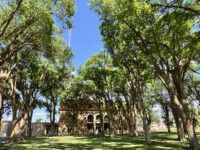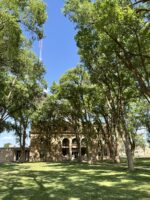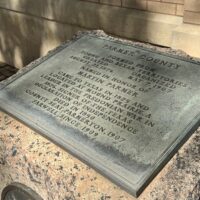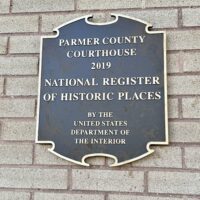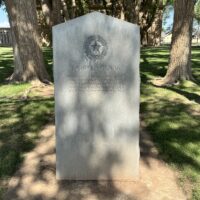
Parmer County Courthouse (Farwell)

Year Built: 1916
Architect: C. Risse
🏛️ Parmer County Courthouse: New Deal Stalwart in the High Plains
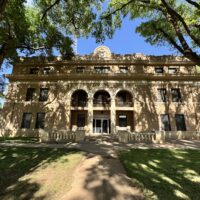
Farwell, Texas — Perched on the Texas-New Mexico border, the town of Farwell serves as the seat of Parmer County, a region shaped by ranching, railroads, and cross-border commerce. At the center of it all stands the Parmer County Courthouse, a stately 1930s-era building that reflects the pragmatic optimism of the New Deal and the enduring spirit of the High Plains.
A Courthouse for a Changing Time
Completed in 1930, the Parmer County Courthouse replaced earlier wooden and brick buildings that had served the county since its founding in 1907. The current structure was designed by R.C. Rittenberry, a regional architect known for designing functional but dignified public buildings across West Texas.
The courthouse is a three-story brick structure, executed in a restrained Classical Revival style with subtle Art Deco influences. Its clean lines, symmetrical form, and limestone trim give it a presence that is both commanding and approachable. While not as ornamented as some early 20th-century courthouses, it reflects the budget-conscious design trends of the Depression era—a time when function and federal support mattered more than flourishes.
In fact, the courthouse’s construction was partially supported by federal relief funding, likely through early New Deal programs aimed at stabilizing rural infrastructure during the economic crisis.
Parmer County: Crossroads of Ranch and Rail
Parmer County was named after Martin Parmer, a signer of the Texas Declaration of Independence. From the beginning, it has been defined by its role as a border county—both geographically and economically. Its position along the Santa Fe Railroad and proximity to Clovis, New Mexico helped shape it into a transportation hub for livestock, grain, and cotton.
The courthouse in Farwell quickly became the legal center of a community built on the movement of goods and people. Here, ranchers recorded deeds, train companies resolved right-of-way issues, and local businesses squared off in early 20th-century contract disputes.
The county’s dual identity—as both Panhandle ranchland and a literal borderland—has given its courthouse a unique place in Texas legal history.
The Working Courthouse
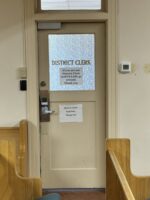
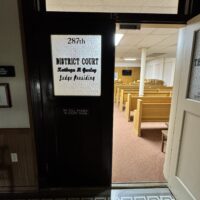
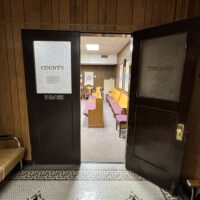
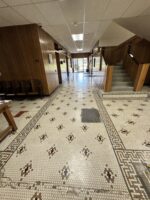
More than 90 years later, the Parmer County Courthouse remains in daily use. It houses the District Court, County Clerk, Commissioners Court, and several other essential offices. The interior retains many of its original design features, including terrazzo flooring, wooden trim, and functional layouts that prioritize accessibility and clarity over opulence.
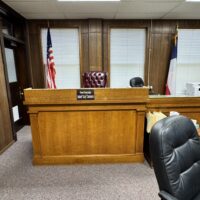
The second-floor courtroom has changed little over the decades, with tall windows providing natural light and original seating that reflects a bygone era. While digital systems have been integrated, the courthouse maintains its early 20th-century character—proof that solid design can stand the test of time.
A Hub of Rural Justice
The Parmer County Courthouse has long been a place where real issues are resolved. Over the years, it’s been the venue for cases involving water rights, land ownership, and cross-border disputes—including matters tied to agriculture and livestock that cross between Texas and New Mexico.
In the 1980s, one particularly complex case involved a landowner whose property straddled the state line, raising questions about jurisdiction and taxation. The courthouse staff coordinated with courts in Clovis and even brought in state officials to untangle the legal boundaries—underscoring the courthouse’s pivotal role in managing rural legal complexities.
Community at the Core
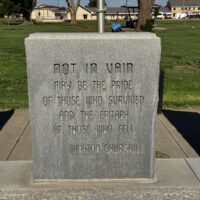
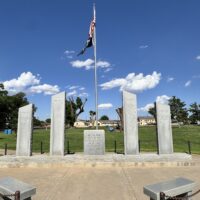
While Farwell is small, the courthouse remains its civic heart. Locals gather on the courthouse lawn for Christmas lightings, election nights, and occasional parades or civic rallies. School groups tour the building each spring, and veterans are honored with memorial services on the square.
Its central role isn’t just legal—it’s cultural. The courthouse reminds residents that, even in the most remote counties, law and government are lived, visible, and enduring.
A Legal Perspective: Quiet Power on the Plains
As a real estate lawyer, I admire the Parmer County Courthouse for its modesty and strength. Its architecture may be simple, but its presence is profound. It stands as a reminder that effective government doesn’t need to be flashy—it needs to be fair, durable, and responsive to the needs of the people it serves.
In a county where wind, railroads, and ranching define the landscape, this courthouse has quietly supported justice for nearly a century.
🔗 Visit the Official Site
To learn more about local records, services, or upcoming events, visit the Parmer County official website.